05 JAN 2025
The Long Nose of American Trucks: Design With a Purpose
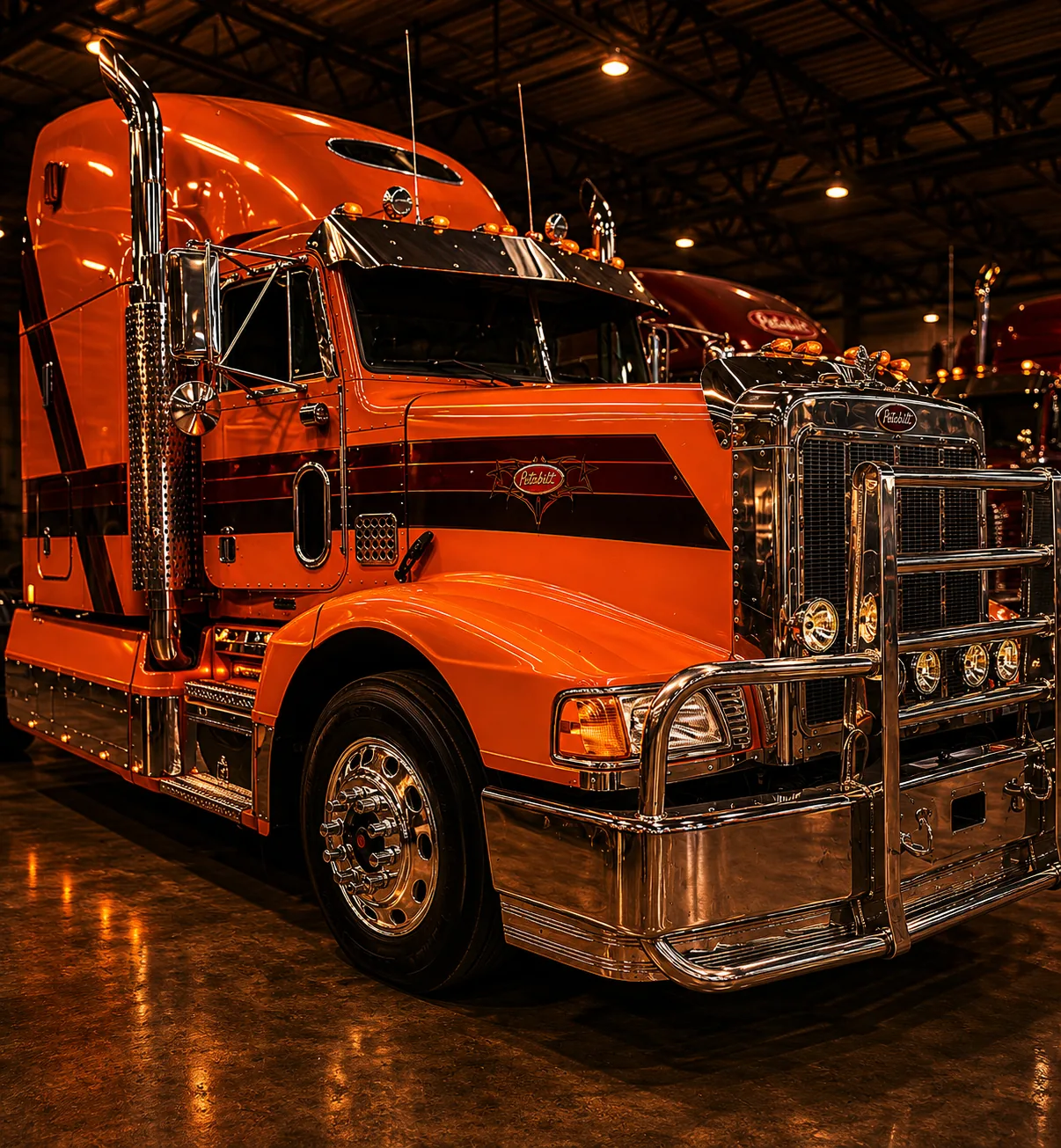
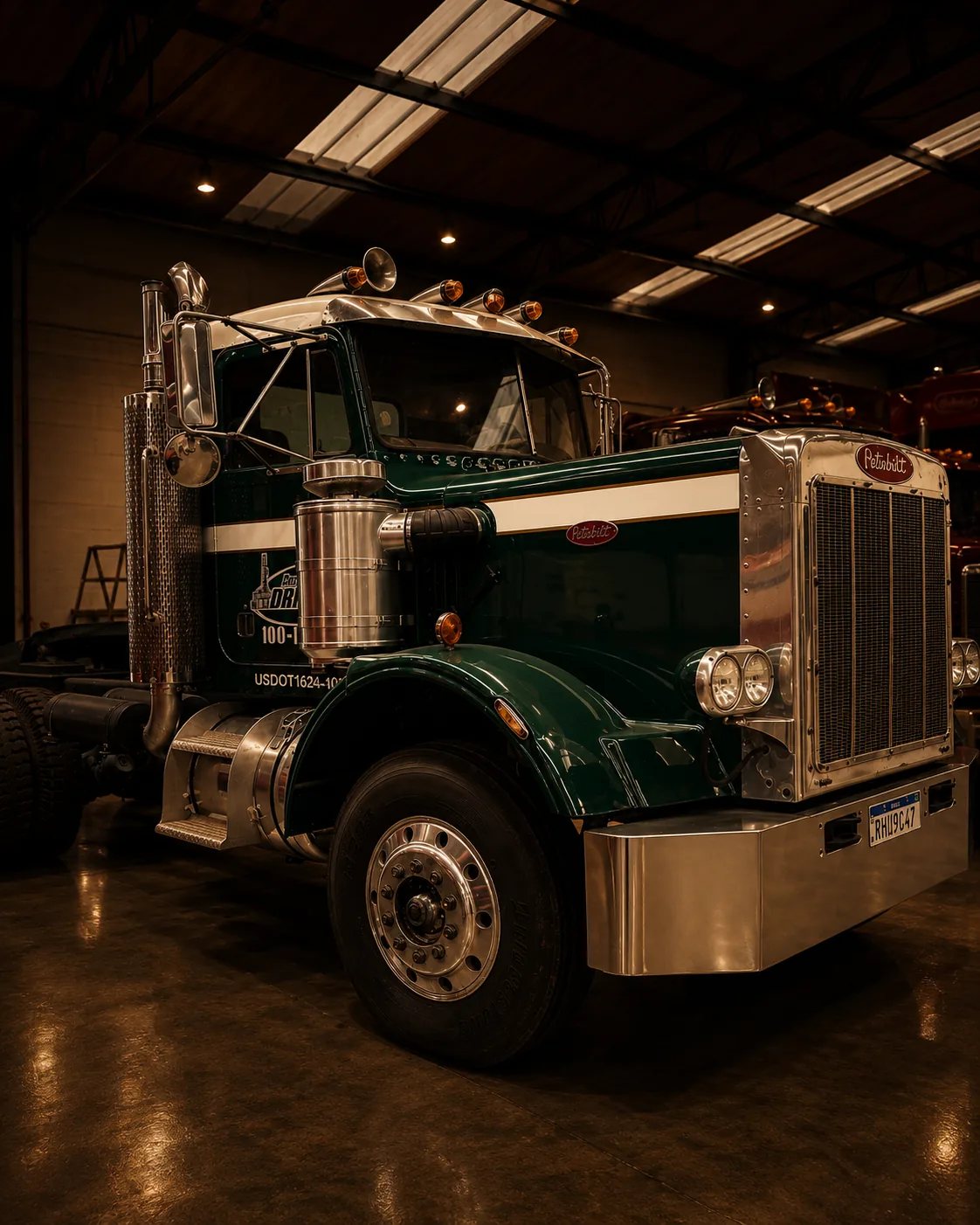
Anyone who sees an American truck for the first time immediately understands that it wasn't made by accident. The long hood, elevated front, the monumental presence on the road — all of this has history, technique, and a lot of logic behind it.
The American market turned long-nose trucks, also called "conventional cabs," into a true national icon. But why did American design take this route while the rest of the world went the opposite direction?
The answer starts with legislation. Between 1956 and 1976, laws were in place requiring the maximum length of a truck to be 65 feet, measured from bumper to bumper. Since there was a lot of cargo to transport, the cabin space had to be reduced — making cab-over-engine (flat-nose) models popular during this period.
Everything changed in 1976. American truckers received looser regulations for truck lengths. As a result, and with the growing demand for comfort on long-distance trips, manufacturers began offering trucks with larger cabs and integrated sleepers — turning cabins into true homes on wheels.
From a technical standpoint, the long hood serves very concrete functions. North American trucks have long hoods to increase aerodynamics, as speed limits are usually higher than in Europe, and the roads are better suited to leverage this aerodynamics and reduce fuel consumption. The extra space also facilitates engine maintenance during long routes and ensures better cooling.
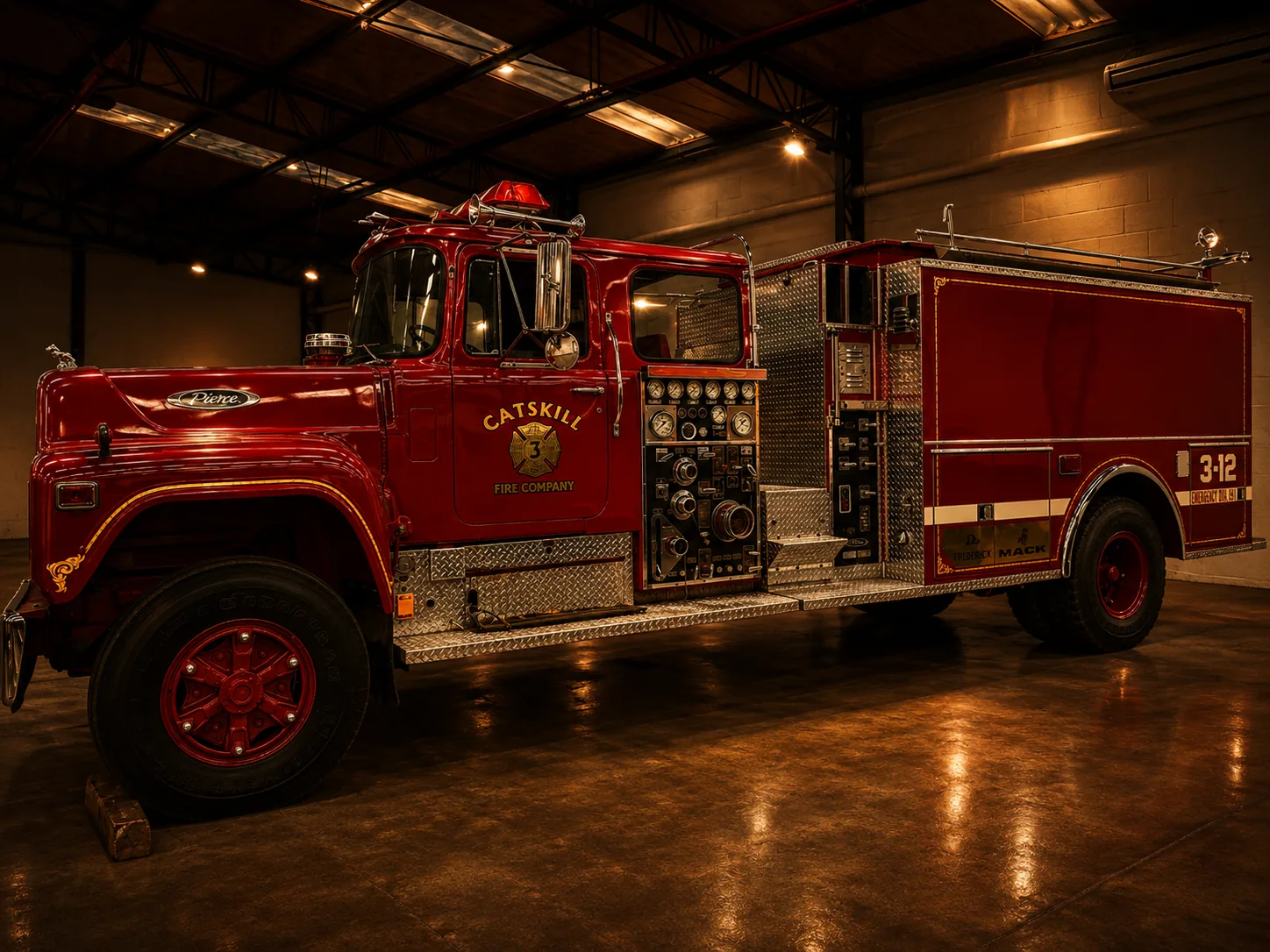
The result is a vehicle that is both a tool and a symbol. Brands like Peterbilt, Kenworth, and Mack turned this shape into an identity. It's not just a truck — it's a statement that the American highway has its own style.