06 JAN 2025
What Makes a Car Become a Classic?
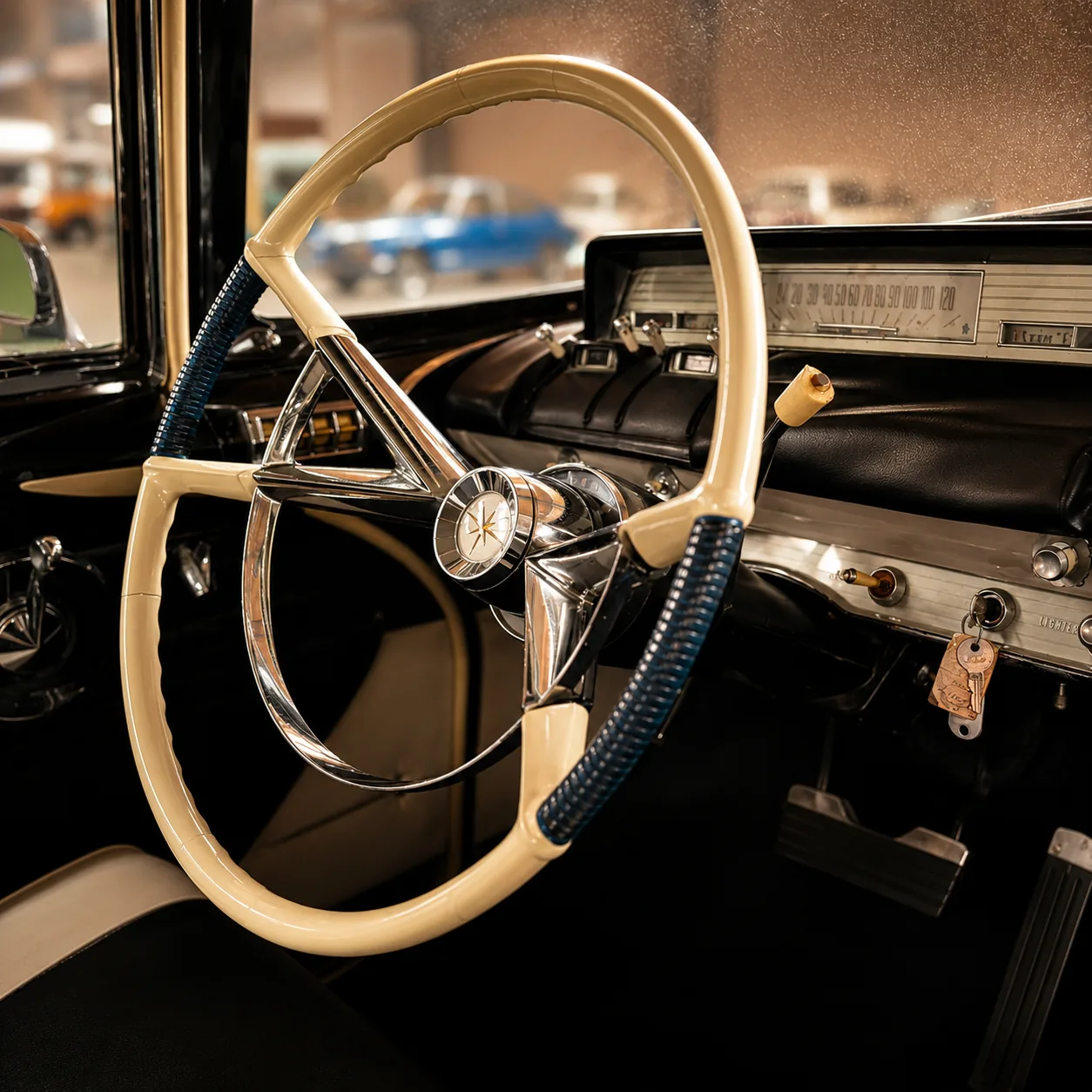
Everyone recognizes a classic when they see one. But what exactly turns a car into a heritage piece, an object of desire, a piece of history? The answer is richer than it seems.
Age: The most objective definition starts with time. According to the rules of the International Federation of Historic Vehicles (FIVA), any vehicle 30 years or older is considered a collector's item. In Brazil, the Brazilian Federation of Antique Vehicles (FBVA), affiliated with FIVA, adopts the same criteria. But age alone is not enough.
Originality: For a car to be officially recognized as a collector's item in Brazil and receive the desired black license plate, it must maintain at least 80% originality. The more faithful it is to its factory specs, the more historically valuable it is. Every original part that survives the test of time tells a piece of the story that no replica can reproduce.
Historical Importance: To be considered a classic, a vehicle needs historical relevance, striking design, and a degree of rarity. It's not just about the car itself — it's about the role it played in culture, in the industry, in the collective memory of a generation. A car that defined a style, launched a category, or was present during historical moments carries a weight that goes far beyond metal and mechanics.
Preservation: A classic needs to be cared for. The originality and authenticity of the car, including the presence of original parts and fidelity to factory specifications, play a fundamental role in determining its value. Restoring with fidelity is an art — and a commitment to history.
Rarity: Models produced in limited quantities, special editions, and those with a documented ownership history can reach substantially higher values in the collector's market. The harder it is to find, the more precious it becomes.
Recognition: Clubs, federations, collectors, and elegance competitions help validate and preserve this status. More than a certification, it's an entire community keeping the memory of each model alive.
In the end, a classic is a car that time failed to render irrelevant. It continues to fascinate, tell stories, and evoke emotions — decades after it was discontinued. And that is exactly why preserving them is so important.